Welcome to Paula's Primary Classroom! This blog is where I share ideas for teaching and learning with families, friends and other early childhood educators. Please don't use the photos or text of this blog without permission, but please do use any ideas you find useful. Thank you for stopping by!
Showing posts with label writing. Show all posts

Saturday, November 6, 2021

30 Fantastic Free Early Elementary Resources You Can Download and Use Today

This week I asked a group of teacher-authors to share their best FREE resources for November for preschool through first grade, and boy, did they come through! Browse through the list, and if you find something that looks promising, click on the picture to go right to the source!  I hope you find some amazing resources to help YOU to make November awesome!


Reading

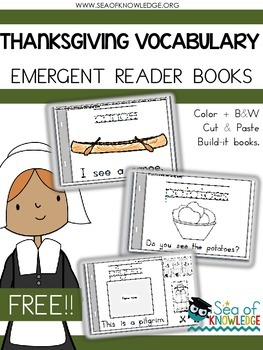
Thanksgiving Emergent Reader Vocabulary Books from Sea of Knowledge


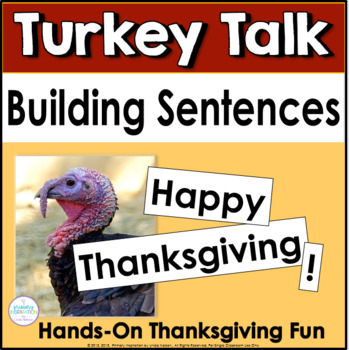
 Thanksgiving Pocket Chart Activities Building Sentences by Primary Inspiration by Linda Nelson


Turkey Cut and Paste Book by ABC's of Literacy

 Fine Motor Activity

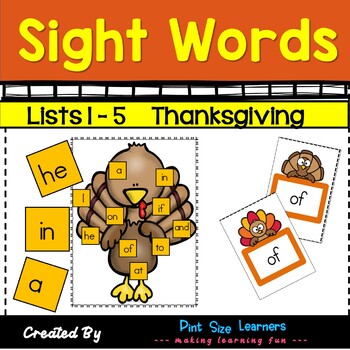
Sight Words | Thanksgiving | November from Pint Size Learners


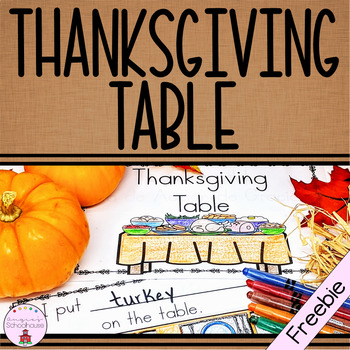
Thanksgiving Table Book from Angie's Schoolhouse


Writing

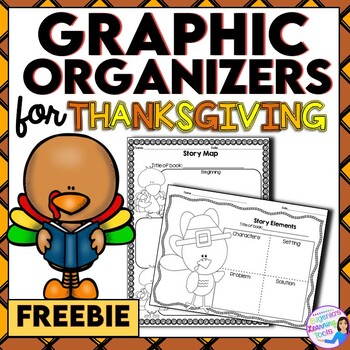
Graphic organizers from Eugenia's Learning Tools :

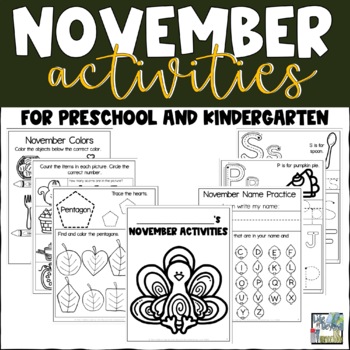
November Activities for Preschool and Kindergarten from Life Beyond the Gradebook

Math

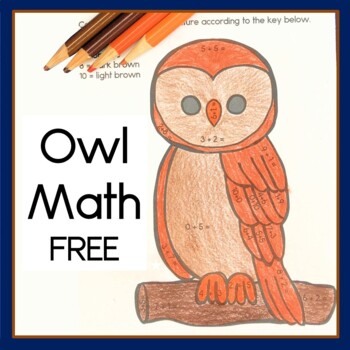
 Owl Math Addition and Subtraction from me, Paula's Primary Classroom

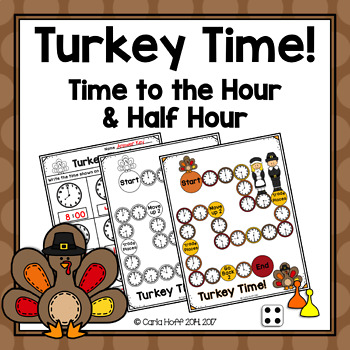
 Thanksgiving Telling Time Game by Carla Hoff

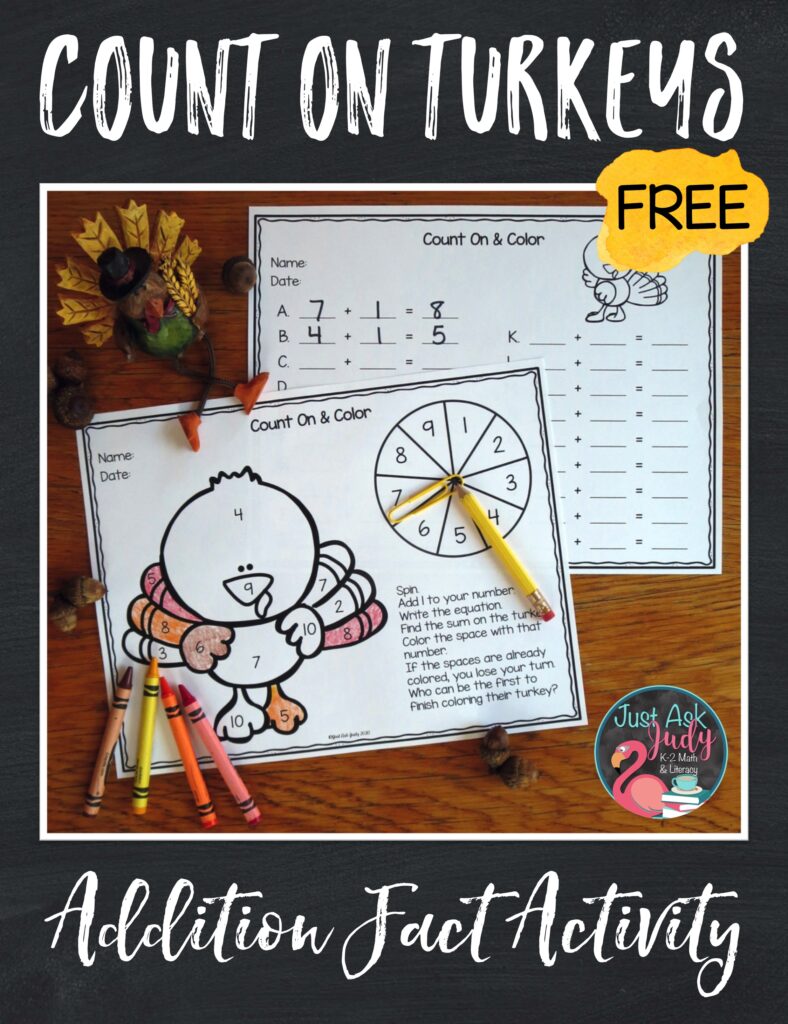
Addition fact practice from Just Ask Judy for K-1

Download this free turkey-themed addition fact activity. Use it to provide math review or practice in kindergarten, first, and second grades.

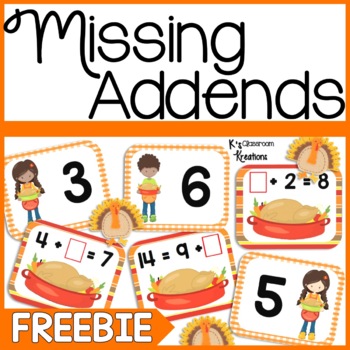
 Missing Addends Math Center from K's Classroom Kreations

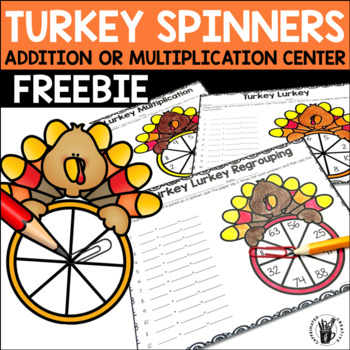
Thanksgiving Addition or Multiplication Turkey Spinners from Caffeinated and Creative

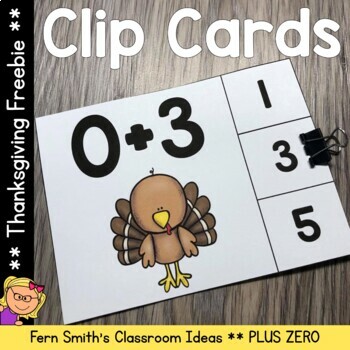
 Thanksgiving Addition Plus Zero Clipcards from Fern Smith's Classroom Ideas


 Squirrels and Acorns 3D Shape Matching from  Preschool Activities Nook


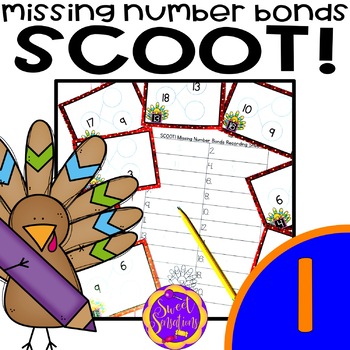
Thanksgiving Number Bonds Game | Missing Numbers Game from Sweet Sensations 


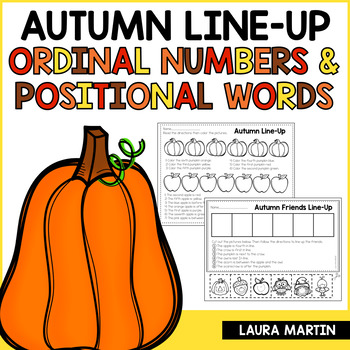
 Autumn Ordinal Numbers and Positional Words by Laura Martin


Digital

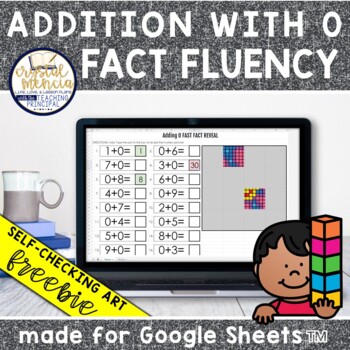
Addition with 0 Fast Fact Fluency | Digital Pixel Art for Google Sheets™ from Crystal Mencia


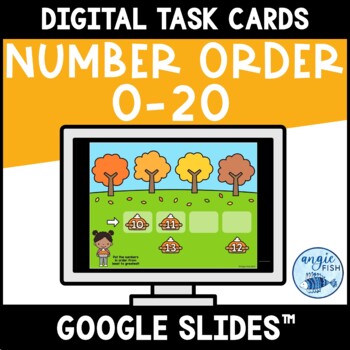
 Ordering Numbers with Google Slides Fall Number Order from Angie Fish

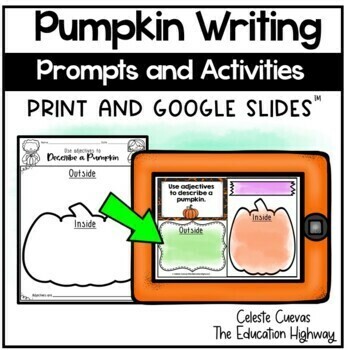
Pumpkin Writing Prompts and Activities from The Education Highway


Food

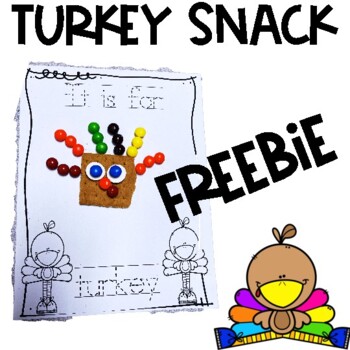
Turkey Snack from Julie Lee

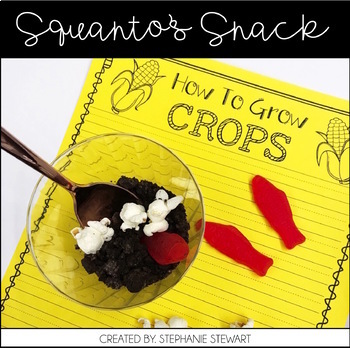
 Squanto's Snack from Stephanie Stewart

Crafts

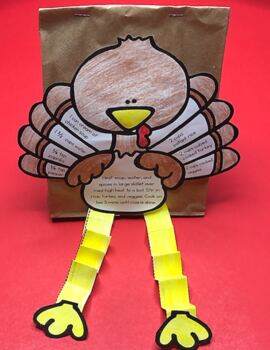
Thanksgiving Turkey Craft - Holiday Table Centerpiece with Casserole Recipe from 1st Grade Pandamania

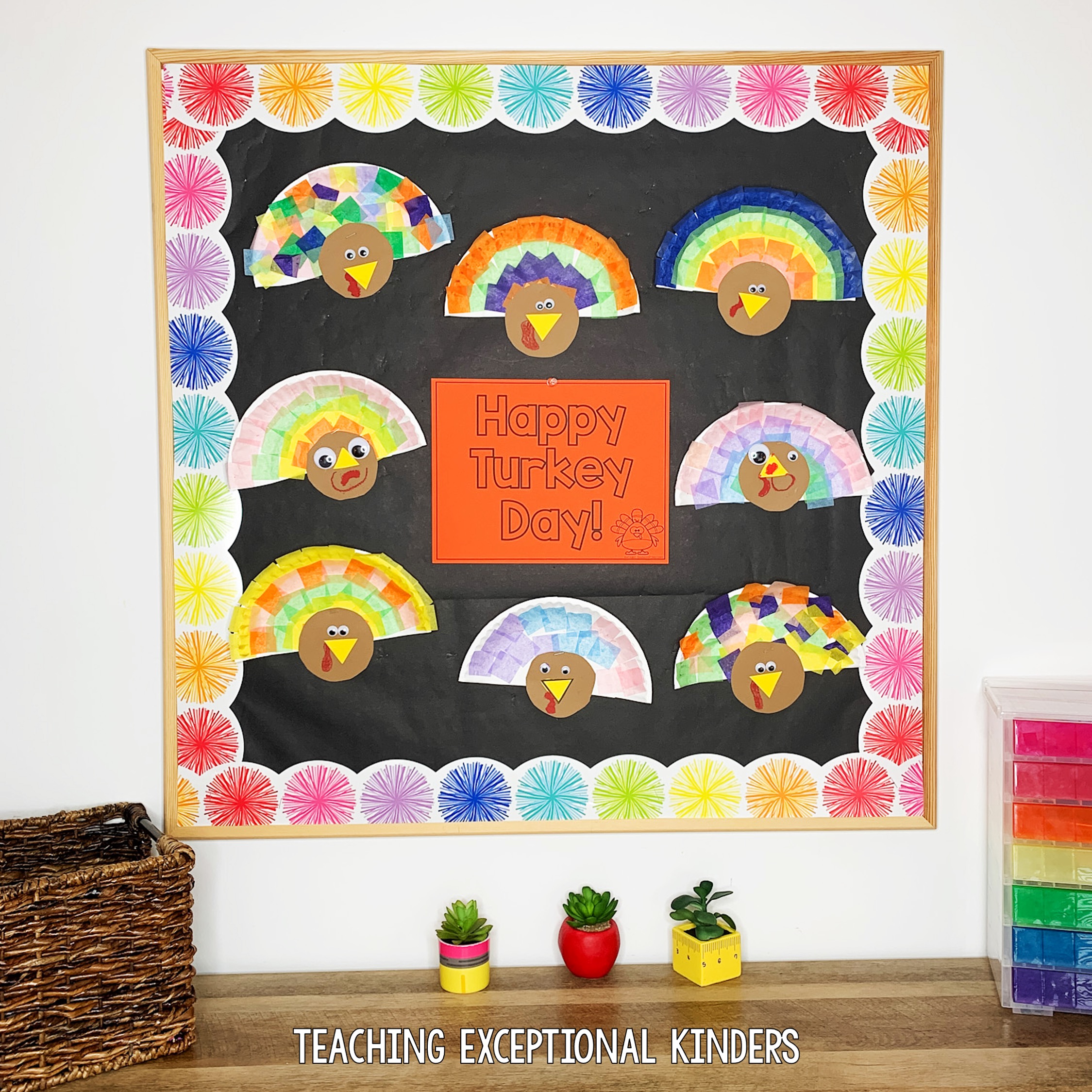
 Simple Turkey Craft by Teaching Exceptional Kinders


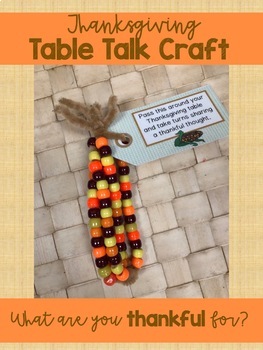
Thanksgiving Table Talk Craft from Roots and Wings

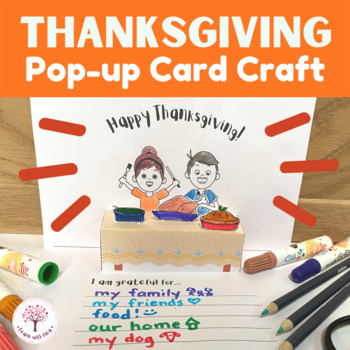
Thanksgiving Pop-up Card Craft and Writing Activity from Learn With Alea

and more!

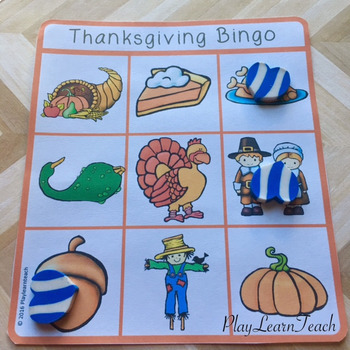
Thanksgiving Bingo from PlayLearnTeach


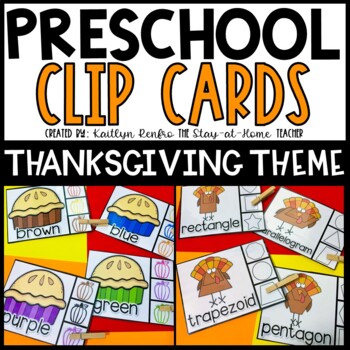
 Thanksgiving Preschool Skills Clip Cards from The Stay at Home Teacher - Kaitlyn Renfro

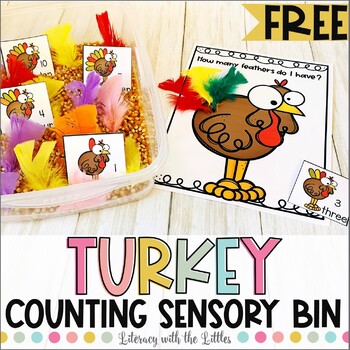
 Turkey Counting Sensory Bin from Literacy With the Littles

 Autumn Maze by Froggy About Teaching Resources

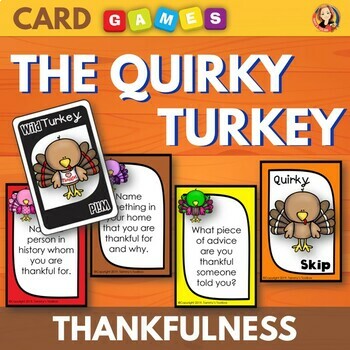
Quirky Turkey Card Game from Tammy's Toolbox

Want even more? Head over to An Apple For The Teacher and find a K-6 roundup from my friend Kelly!

Happy holidays everyone!

Paula

Friday, March 13, 2020

What you need to know to make it through school closures

With school closings happening to prevent the spread of  COVID 19, many parents are scrambling to figure out how to teach their children from home.  Sound familiar?  Feeling panicked?  Take a deep breath and read on.
What you need to know to make it through school closures

First, YOU CAN DO THIS!  You taught your child to eat, walk, talk, and use the bathroom, and you were probably sleep deprived when you did all that.  While juggling how to teach your children along with all the other things in your life might not be ideal, this isn't permanent, and you can do it.

Next, remember that you don't have to introduce new material, figure out which Common Core State Standards (or other set of standards) to cover, or document it all.  You and your child just need to stay afloat academically, and there are many simple things you can do to make that happen.

What you need to know to make it through school closures

1. READ
Reading is the most important thing to keep practicing, and it should be fun.  Unless your child's teacher has sent home a list of requirements, this is the time to let your child read for pleasure.  If that means reading their favorite book for the umpteenth time, so be it!  Bored with the books or magazines you have at home?

- This article suggests 7 websites with free online books for kids
- If you hop over to YouTube.com you'll find many books read aloud
- A quick search of TeachersPayTeachers found more than 20,000 FREE printable books including this one for young children from me. 
- I have 27 free resources for preschool - 3rd grade in my TeachersPayTeachers store - and you don't have to be a teacher to use the site!
-Try reading and preparing recipes.  There's nothing quite as motivating as food, and as you and your child cook together they'll also practice counting, measuring, and time (math skills), and experience changes in matter (science).  Bonus points if they want to start cooking regularly!

What you need to know to make it through school closures

2. WRITE
Think of all the times in a day when you pick up a pen and jot something down - writing with your child can be as simple as making a grocery list or brain storming activities they'd like to do.  As adults we write for many different purposes - making a list, texting or emailing, writing a story, making a photo album, recording a recipe, journaling our thoughts... they are all valid forms of writing and will keep your children learning and thinking.  Here are some things to consider:

 - Younger children might not write the same way you do - they're learning to listen to the sounds in words and to translate those sounds into letters - and that's okay for now. 
- Writing can be on a device.  Letting your child type an email or text message as you dictate it can be very motivating for some children, as is emailing a grandparent or other family member.
- Everything is more fun when they do it with you.  A reluctant writer might not get anything down on paper if left by themselves, but if you take turns adding a sentence to a story you make up together, it's infinitely more fun.
- Write down family stories together and let your child add illustrations. Bonus points if they want to read this over and over!
- Mix it up by letting them write with fancy pencils, markers, pens, etc, or pull out the magnetic letters, building blocks with letters on them, or cookie cutter letters or letter stamps if you have them. 
- Break out the scrabble and other word games and play - they're still making words and it's waaaaaay more fun than following a journal prompt!
- Print out this free observation journal, then head outside and find something to focus on and observe for a few minutes each day for a week.


What you need to know to make it through school closures

3. PRACTICE MATH FACTS
Depending on the age of your child, they may be working on addition, subtraction, multiplication, division or all of them.  Their teacher may have already given you suggestions for which facts they need to work on, or ways to practice at home.  Here are a few learning games you can do with a deck of cards or a pair of dice:

- Deal a deck of cards to you and your child(ren).  Agree on the skill you're working on (largest / smallest number, addition total, difference, multiplication).  Count to 3 and both flip a card over.  The first of you to say the correct answer takes both cards and adds them to the bottom of their pile.
- Play a memory game.  Make a set of cards with 2 of each number.  Shuffle, then deal them face down in a grid pattern.  Take turns flipping 2 cards over to see if they match.  If they do, the player who flipped them takes them and gets another try.  If they don't match, flip them back over and the other player gets a turn.
- Play the memory game above, but make a set of cards with pairs that add up to 10.  The goal is to flip 2 cards that total 10... or any other number you agree upon.
- Roll 2 dice and tell the sum or difference.
- Need to work on harder skills like adding or subtracting 3 digit numbers?  Remove the face cards from your deck of cards, and have your child lay 3 cards side by side (to represent a 3 digit number), then 3 more cards side by side below them.  Can they add them?  Subtract them? Multiply them?

Is this everything?  Goodness no - but I hope it gives you a place to start!   I'll be back again soon with more suggestions and resources.  If you haven't yet subscribed, go ahead and do it so you get notified when new posts go live.  Is there something specific you'd like to see?  Let me know in the comments!  We're all in this together, and we WILL get through this!

Sunday, July 16, 2017

How to Increase Reading Engagement Every Day This Year


How to increase reading engagement every day this year (with class books!)
I think reading engagement is every teacher's hope; we all want our students to love reading as much as we do.  We want to see our kiddos engaged in reading, choosing to pick up books, talking about what they're reading, eagerly sharing their favorites with each other.  I have vivid memories of seeing my own young children lose themselves in books, laying on a bed or a couch, oblivious to the world around them, immersed in a world that only exists in words... and I cherish those memories.  We know that children who love to read, and choose to read, are going to read, and in turn they'll become even better readers.  Students like this are easy to teach, because they're eager to learn, and know that they CAN learn.  If only there was a way to develop this love of reading in all our children!
How to increase reading engagement every day this year (with class books!)
After 25 years of teaching early childhood, I haven't found any magic tricks that always work for everyone, each child is unique after all!  There is, however, something that has served me incredibly well, year after year, with hundreds of children: class books.
How to increase reading engagement every day this year (with class books!)
It makes a lot of sense when you think about it: our kiddos are interested in themselves, and in each other.  They want to share their ideas, they want to smile, laugh, or reminisce together, they want to see their own words and pictures being read by their friends, and they want to see their friends' words and pictures.  Class books meet all those criteria, and as an added bonus, they engage students in writing and drawing, as well as reading.  It's no wonder I love class books!
How to increase reading engagement every day this year (with class books!)
There are many ways to create, publish, bind, and share student writing, and over the years I've tried a lot of them!  When I taught first grade, I bought an inexpensive scrapbook with an impressive looking cover, and glued student work into it.  The result was a satisfyingly solid "real" book - and as we only published finished pieces in it, students really worked to make their writing book worthy!
How to increase reading engagement every day this year (with class books!)
I also made class books about experiences we shared, such as a trip to the fire station or a pizza parlor.  I took photos of each student during our experiences, and upon returning to our classroom gave each student a page with room for a photo and room to write about our experience.  I'd develop the pictures, and then let my kiddos stick a real photo of themselves onto their page.  Sometimes we'd bind all the pages together and make a class experience book, other times each child would add their page to their own "photo album".  Can you imagine how much they loved to revisit these books?
How to increase reading engagement every day this year (with class books!)
Of course, photos aren't the only way to illustrate a class book.  Oftentimes I'd have my students illustrate their page.
How to increase reading engagement every day this year (with class books!)
Sometimes we wrote about an experience as a class, with each student contributing something about the experience, while I wrote on chart paper.  Next we would decide on what order the events of our narrative belonged in, and arrange their individual sentences into a retelling of what we had done.  I liked to type up the story, print it out on multiple pages, and have students work in teams to illustrate the pages.
How to increase reading engagement every day this year (with class books!)
You've probably noticed that all of these methods took some effort on my part: taking and developing photos, or taking dictation and then typing up students' words.  Yes, there is definitely a lot of teacher effort in these particular methods, and no, you probably can't manage this every day. Sometimes you need something quick and easy, right?
How to increase reading engagement every day this year (with class books!)
There's another method of making class books that is super easy: printed pages with a prompt, and room for student responses.  I've found this kind of book is one of the best for my youngest students - preschool and kindergarten kiddos whose writing is much shorter, and more difficult to read (unless you're a kindergarten teacher, and can read phonetically spelled words that are out of order, with reversed letters, missing vowels and written in a shaky hand.  Kudos to you then)! 

This kind of book usually has a simple, repetitive text, with room for students to add just one or two words.  It's easier for young kiddos to write, and the repeated text makes it easier for them to read too.  Since the work in these books is their own, and their names, and names of friends are on every page, my kiddos have always LOVED this kind of book.  They read them to themselves.   They read them with their friends.  They read them to their parents at pick up time.  Sometimes I even let them check these books out to take home overnight. Win-win-win!
How to increase reading engagement every day this year (with class books!)
If you think you'd like to incorporate class books into your reading and writing time, you can find inspiration many places!  Try pinterest - here's my board about class books to get you started:


I've put together many of my class book ideas into a print and go format.  If you like the idea of class books and want a no-muss no-fuss ready to go resource that also covers every single preprimer word, I hope you'll check out:

https://www.teacherspayteachers.com/Product/Class-Books-for-Every-Letter-of-the-Alphabet-Using-Every-PP-Sight-Word-1298475
Thank you so much for reading this long post - I hope you're inspired to incorporate more class books in your classroom, and I'd love to hear about how they work out for you!


Monday, November 14, 2016

Math Fun with Tiny Notebooks


Math fun with tiny notebooks, from Paula's Preschool and Kindergarten 
I've always had a few children who are fascinated by teeny tiny things, and you probably have too.  There's something about looking for and playing with super small - or super large - things that seems to feed a need in children.  Today I'm going to share a really inexpensive way to use things you might otherwise throw away to engage your kiddos in math. 

Here's what you'll need: whole, half, or quarter sheets of white and colored paper.  I used copy paper, but whatever you have around is great.  You also need a stapler, scissors or a paper cutter, and tiny stickers.  (Look at the stickers, you probably get them in the mail on free address labels that ask you for a donation to whichever fundraiser bought your mailing information.  I get a lot of them, so I cut off the address and save the stickers.  *** This part is important!  Do not separate all the stickers, there need to be at least 2 of them on each piece of paper for the children to peel the stickers from the backing paper.  Trust me, you don't want to deal with individual stickers. ***)
Math fun with tiny notebooks, from Paula's Preschool and Kindergarten

Next you'll cut the colorful and the white paper to the same size.  I made full sheets, half sheets and quarter sheets - and the half and quarter sheets were some I "saved" from copier errors that didn't take up the full page.
Math fun with tiny notebooks, from Paula's Preschool and Kindergarten

Staple the papers into booklets, and fold them.  You now have teeny tiny notebooks, which my students LOVE!  You can use these just as they are - I've made these available along with pencils and magnifying glasses for outside play, and saw some amazing drawings of the tiny critters that live on our playground. 
Math fun with tiny notebooks, from Paula's Preschool and Kindergarten

For a super simple math game with fine motor development, try offering a dice, pencil, stickers and notebook.  This one was made with quarter sheets of paper, so they're very little!  Just right for rolling a dice, showing the number with stickers, and writing the corresponding numeral.
Math fun with tiny notebooks, from Paula's Preschool and Kindergarten

Maybe your kiddos are ready for some early addition practice.  Use two dice, and a slightly larger notebook.  (I used a half sheet of paper notebook.) 
Math fun with tiny notebooks, from Paula's Preschool and Kindergarten

The notebook I made with a full sheet of paper is great for larger stickers, or more information.  Here I'm using it for basic addition sentences.
Math fun with tiny notebooks, from Paula's Preschool and Kindergarten

Have you used tiny notebooks or address label stickers with your children?  I'd love to hear of other uses - share your tips and tricks in the comments!
Math fun with tiny notebooks, from Paula's Preschool and Kindergarten